ในปี 2026 นี้ พลังงานแสงอาทิตย์ไม่ได้เป็นเพียงทางเลือกของอนาคตอีกต่อไป แต่ได้กลายเป็นแหล่งพลังงานหลักของโลก โดยมีสัดส่วนการผลิตไฟฟ้าทั่วโลกถึง 9% และในบางประเทศสูงถึง 20% สำหรับประเทศไทยเอง ข้อมูลล่าสุดชี้ให้เห็นว่าเรามีกำลังการผลิตติดตั้งรวมกว่า 6,510 เมกะวัตต์ ซึ่งเปรียบเสมือนโรงไฟฟ้าสะอาดขนาดใหญ่ที่กระจายอยู่ทั่วประเทศ
สภาพภูมิอากาศของไทยที่ได้รับแสงแดดจัดตลอดทั้งปี ทำให้เรามีความได้เปรียบมหาศาล ประกอบกับแผนพัฒนากำลังผลิตไฟฟ้าของประเทศ (PDP) ที่ตั้งเป้าเพิ่มสัดส่วนพลังงานหมุนเวียนเป็น 30% ภายในปี 2037 ทำให้ “โซลาร์เซลล์” (Solar PV) กลายเป็นเทคโนโลยีที่มีความมั่นคงและคุ้มค่าที่สุดสำหรับคนไทยในขณะนี้ บทความนี้คือจุดเริ่มต้นในซีรีส์ “Solar PV Knowledge Series” ที่จะพาคุณไปเจาะลึกทุกแง่มุมของเทคโนโลยีนี้
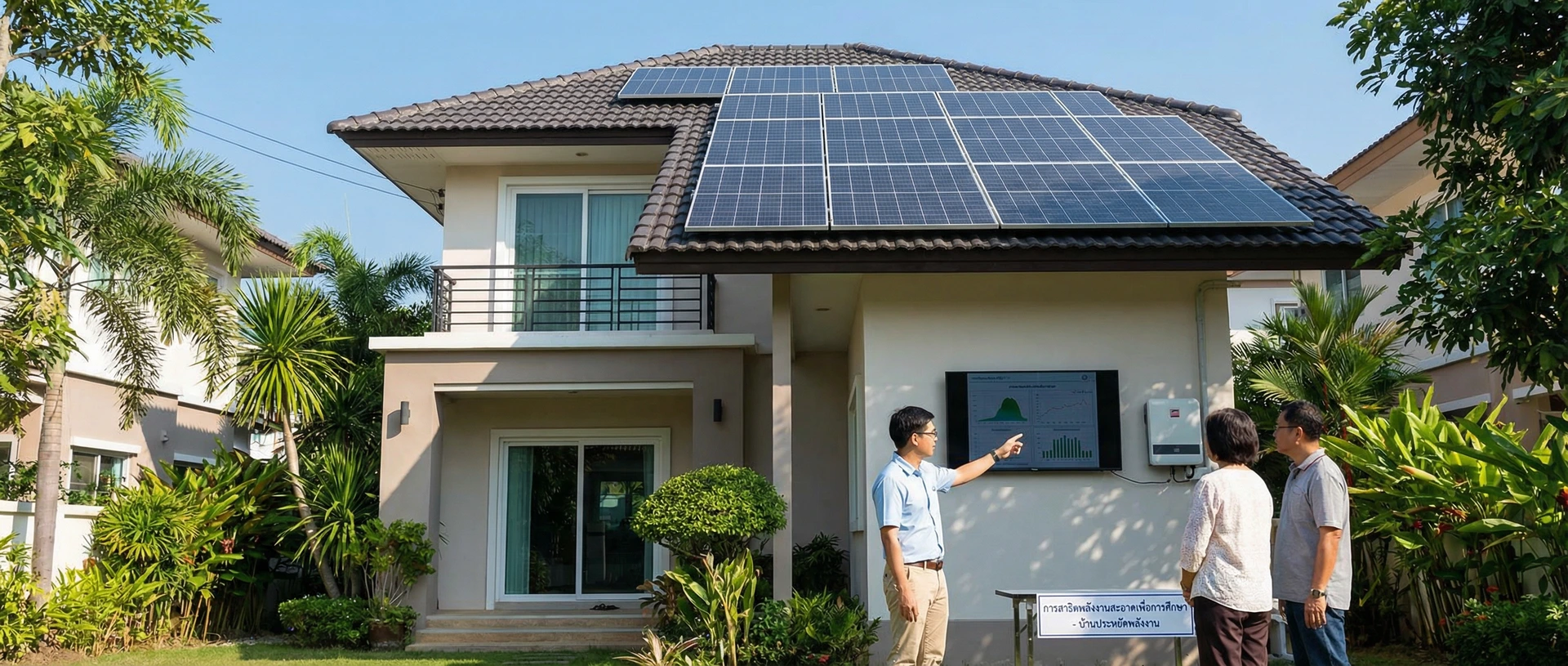
โซลาร์เซลล์คืออะไรและทำงานอย่างไร? #
นิยามที่ถูกต้อง #
โซลาร์เซลล์ (Solar Photovoltaic - PV) คืออุปกรณ์สิ่งประดิษฐ์ทางอิเล็กทรอนิกส์ที่ทำหน้าที่เปลี่ยนพลังงานแสงอาทิตย์ให้เป็นพลังงานไฟฟ้าโดยตรง ผ่านปรากฏการณ์ทางฟิสิกส์ที่เรียกว่า “Photovoltaic Effect” โดยไม่มีชิ้นส่วนเครื่องจักรกลใดๆ ที่เคลื่อนไหว (Non-mechanical) ทำให้มีความทนทานสูงและดูแลรักษาง่าย
กลไกการทำงานฉบับเข้าใจง่าย #
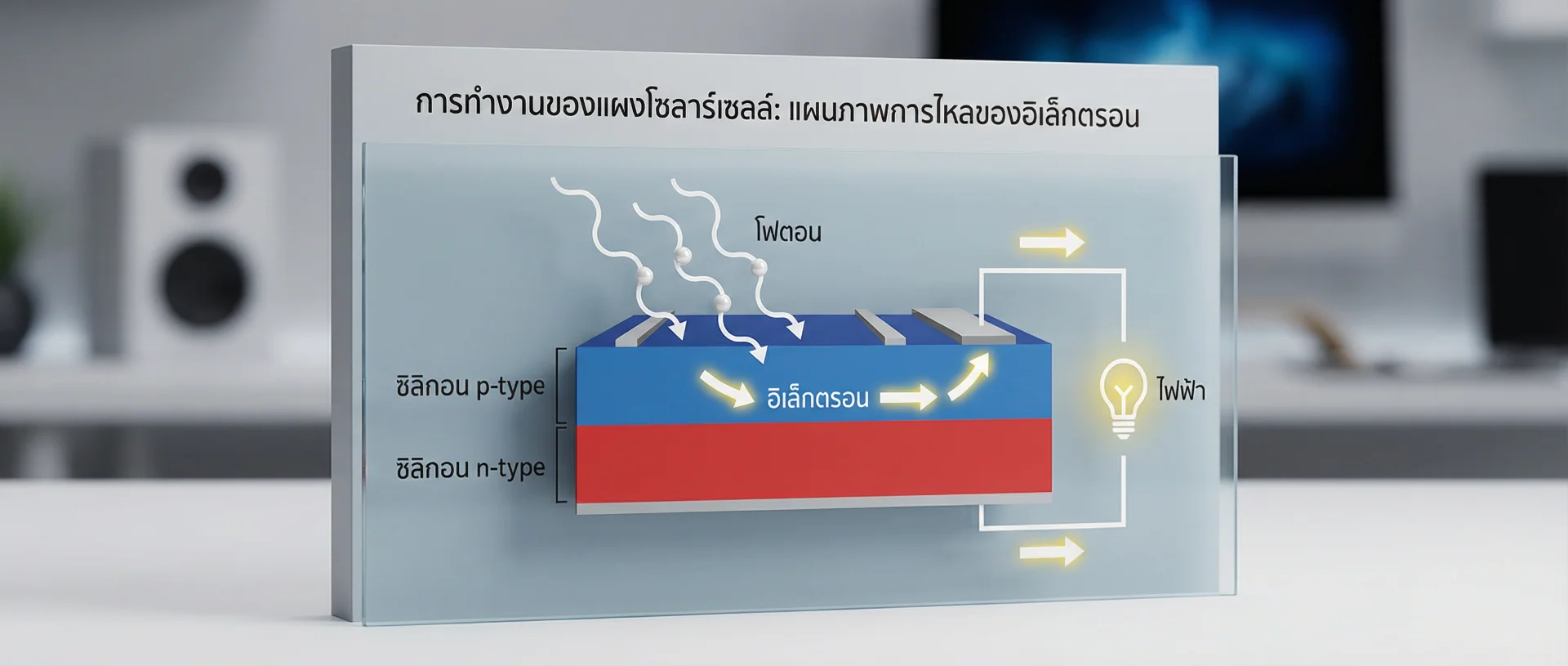
ลองเปรียบเทียบแผงโซลาร์เซลล์เหมือน “การสังเคราะห์แสงของพืช” พืชรับแสงแดดเพื่อปรุงอาหาร แต่โซลาร์เซลล์รับแสงแดดเพื่อผลิตไฟฟ้า
- การดูดซับแสง (Absorption): เมื่อแสงแดด (โฟตอน) ตกกระทบเซลล์แสงอาทิตย์ที่ทำจากสารกึ่งตัวนำ (เช่น ซิลิคอน) พลังงานจะไปกระตุ้นให้อิเล็กตรอนหลุดออกมา
- สร้างสนามไฟฟ้า (Electric Field): โครงสร้างภายในเซลล์จะบังคับให้อิเล็กตรอนไหลไปในทิศทางเดียวกัน
- เกิดกระแสไฟฟ้า (DC Output): การไหลของอิเล็กตรอนนี้ทำให้เกิดไฟฟ้ากระแสตรง (Direct Current - DC)
- การแปลงไฟ (Inversion): ไฟฟ้า DC จะถูกส่งไปยัง “อินเวอร์เตอร์” เพื่อแปลงเป็นไฟฟ้ากระแสสลับ (Alternating Current - AC) ให้พร้อมใช้งานกับเครื่องใช้ไฟฟ้าในบ้าน
องค์ประกอบหลักของระบบ #
ระบบโซลาร์เซลล์ที่สมบูรณ์ประกอบด้วย:
- Solar Cells/Modules: แผ่นเวเฟอร์ซิลิคอนที่นำมาประกอบกันเป็นแผง ปัจจุบันเทคโนโลยีมีประสิทธิภาพสูงถึง 20-25%
- Inverter (อินเวอร์เตอร์): หัวใจสำคัญในการแปลงไฟและควบคุมระบบ ปัจจุบันมีรุ่น Smart Inverter ที่ช่วยรักษาเสถียรภาพแรงดันไฟได้
- Racking & Mounting: โครงสร้างยึดจับที่ต้องแข็งแรง ทนต่อแรงลมและสภาพอากาศ
- Monitoring System: ระบบติดตามการผลิตไฟผ่านแอปพลิเคชัน เพื่อดูยอดประหยัดแบบ Real-time
ประเภทของแผงโซลาร์เซลล์ #
- Monocrystalline: สีเข้มสม่ำเสมอ ประสิทธิภาพสูงสุด (18-24%) ราคาสูงกว่าเล็กน้อย
- Polycrystalline: สีน้ำเงินมีลวดลาย ประสิทธิภาพปานกลาง (15-18%) ราคาประหยัด
- Thin-Film: แผ่นฟิล์มบาง ยืดหยุ่นได้ ประสิทธิภาพต่ำกว่าแต่ทนความร้อนได้ดี และเทคโนโลยีใหม่ล่าสุดอย่าง Perovskite ที่กำลังพัฒนาให้มีประสิทธิภาพทะลุ 30%
ประโยชน์และการใช้งานจริงในบริบทไทย #
การติดตั้งโซลาร์เซลล์ในประเทศไทยมีความคุ้มค่าสูงมากด้วยปัจจัยสนับสนุนหลายด้าน ทั้งสภาพอากาศและนโยบายรัฐ
ความคุ้มค่าและตัวเลขที่จับต้องได้ #
- ประหยัดค่าไฟทันที: สำหรับบ้านทั่วไปที่ติดตั้งระบบขนาด 5 kWp สามารถผลิตไฟฟ้าได้ประมาณ 5,000-5,200 หน่วย (kWh) ต่อปี ซึ่งคิดเป็นเงินที่ประหยัดได้ประมาณ 21,000 บาทต่อปี (ที่ค่าไฟเฉลี่ย 4 บาท/หน่วย) คลิกเพื่อดูวิธีคำนวณอย่างละเอียดท้ายบทความ
- จุดคุ้มทุน (ROI): ด้วยราคาแผงที่ลดลงกว่า 70% ในทศวรรษที่ผ่านมา ทำให้ระยะเวลาคืนทุนในไทยลดลงเหลือเพียง 6-10 ปี ขึ้นอยู่กับปริมาณการใช้ไฟ
- สิ่งแวดล้อม: ไฟฟ้าจากโซลาร์เซลล์ 1 หน่วย ช่วยลดการปล่อยก๊าซคาร์บอนไดออกไซด์ได้ประมาณ 0.7 กิโลกรัม ระบบขนาด 5 kWp จึงช่วยลดคาร์บอนได้ถึง 4.5 ตันต่อปี
รูปแบบการใช้งานในประเทศไทย (Use Cases) #
- Residential (บ้านพักอาศัย): นิยมติดตั้งบนหลังคา (Rooftop) ขนาด 3-10 kWp เพื่อลดค่าไฟช่วงกลางวัน และเข้าร่วมโครงการโซลาร์ภาคประชาชนเพื่อขายไฟส่วนเกินคืนรัฐ
- Commercial & Industrial: โรงงานและห้างสรรพสินค้าติดตั้งขนาด 100 kWp ขึ้นไป เพื่อลดต้นทุนการผลิตและสร้างภาพลักษณ์องค์กรสีเขียว
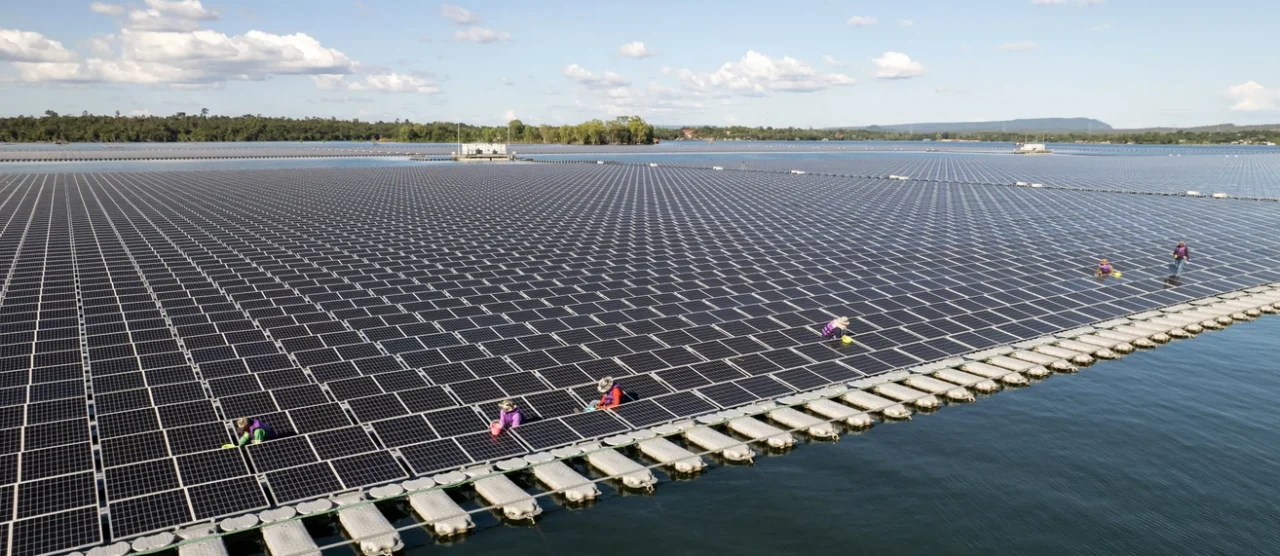
- Floating Solar (โซลาร์ลอยน้ำ): นวัตกรรมเด่นของไทย เช่น โครงการของ กฟผ. ตามเขื่อนต่างๆ ที่ช่วยผลิตไฟและลดการระเหยของน้ำ
- Agri-PV (เกษตรผสมผสาน): การติดตั้งแผงโซลาร์เหนือพื้นที่เพาะปลูก ให้เกษตรกรมีรายได้สองทาง ทั้งจากพืชผลและพลังงาน
ความได้เปรียบของไทย #
ประเทศไทยมีค่าความเข้มรังสีดวงอาทิตย์เฉลี่ยสูงถึง 4.5–6.0 kWh/m²/วัน ซึ่งถือว่าสูงมากเมื่อเทียบกับมาตรฐานโลก ทำให้การลงทุนติดตั้งแผงโซลาร์ในไทยให้ผลตอบแทนทางพลังงานที่ยอดเยี่ยม
“ปัจจุบันต้นทุนการผลิตไฟฟ้าจากโซลาร์เซลล์ (LCOE) บนหลังคาบ้าน ได้เข้าสู่จุด Grid Parity หรือถูกกว่าราคาไฟฟ้าที่ซื้อจากการไฟฟ้าแล้ว ทำให้ยิ่งใช้ยิ่งคุ้มค่า”
สิ่งที่ควรรู้และพิจารณาก่อนตัดสินใจ #
เพื่อให้การลงทุนเป็นไปอย่างมีประสิทธิภาพสูงสุด มีข้อมูลเชิงเทคนิคและต้นทุนที่คุณต้องทราบก่อนตัดสินใจ
ค่าใช้จ่ายและการบำรุงรักษา #
- ต้นทุนเริ่มต้น: สำหรับระบบขนาด 5 kWp ในบ้านพักอาศัย ราคาตลาดปี 2026 อยู่ที่ประมาณ 85,000 – 120,000 บาท (เฉลี่ย 17-24 บาท/วัตต์) ขึ้นอยู่กับเกรดอุปกรณ์
- ค่าบำรุงรักษา: ต่ำมาก เพียงปีละ 2,000 – 5,000 บาท สำหรับการล้างแผงและตรวจสอบระบบ
- ค่าเปลี่ยนอุปกรณ์: อินเวอร์เตอร์มักมีอายุ 10-12 ปี อาจต้องเตรียมงบประมาณเปลี่ยนครั้งละ 30,000 – 60,000 บาท ในอนาคต
ข้อกำหนดทางเทคนิค #
- พื้นที่ติดตั้ง: ต้องใช้พื้นที่ประมาณ 6-8 ตารางเมตร ต่อ 1 กิโลวัตต์ (kWp)
- การรับน้ำหนัก: โครงสร้างหลังคาต้องสามารถรับน้ำหนักเพิ่มได้ 15-20 กิโลกรัม/ตารางเมตร
- ระบบไฟฟ้า: รองรับทั้งระบบไฟ 1 เฟส (230V) และ 3 เฟส (400V) แต่ต้องขออนุญาตเชื่อมขนานไฟกับการไฟฟ้าให้ถูกต้อง
ข้อจำกัดที่ต้องยอมรับ #
- ความไม่เสถียร (Intermittency): โซลาร์เซลล์ผลิตไฟได้เฉพาะตอนกลางวันและลดลงเมื่อมีเมฆมาก หรือฝนตกหนัก
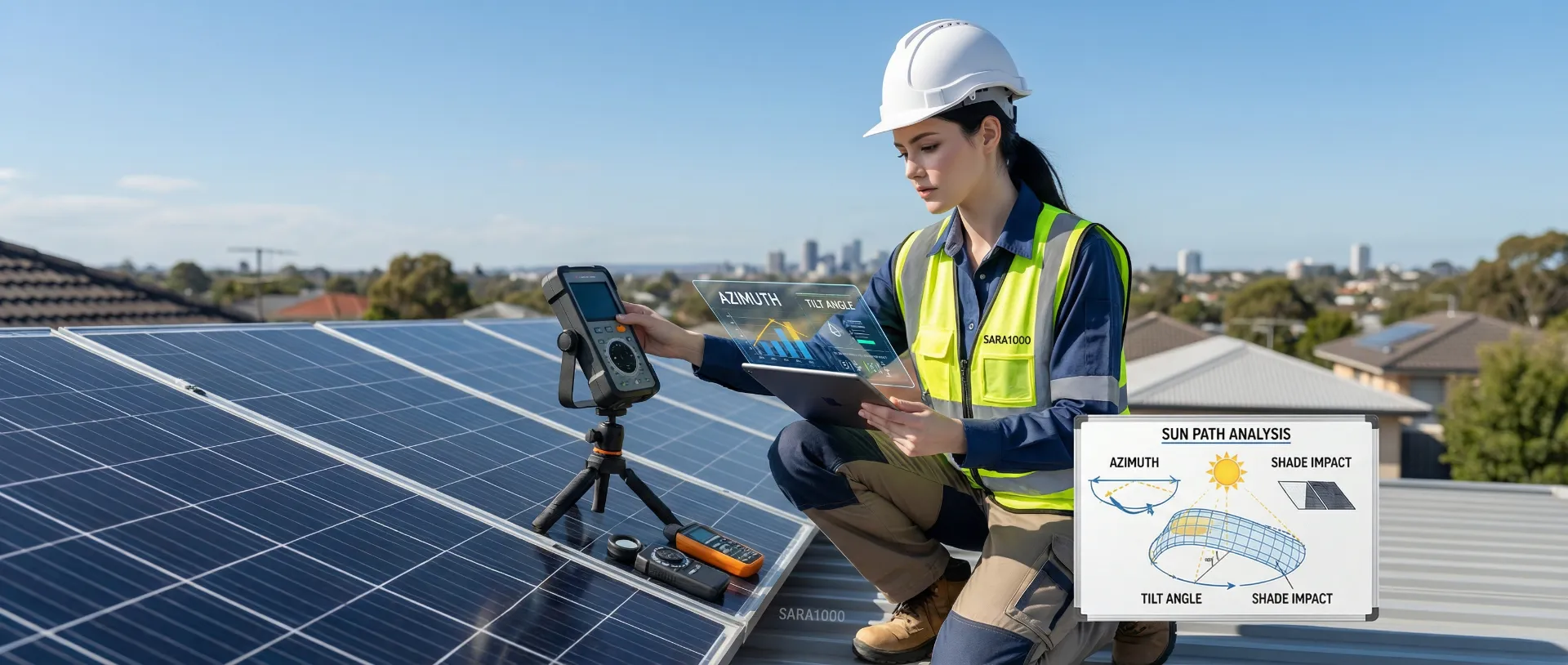
- เงาบัง (Shading): ห้ามมีเงาต้นไม้หรืออาคารบังแผง เพราะแม้บังเพียงเล็กน้อยก็อาจทำให้ประสิทธิภาพลดลงทั้งระบบ
- ทิศทาง: ทิศใต้ดีที่สุดสำหรับประเทศไทย หากหลังคาหันไปทางทิศเหนือ ประสิทธิภาพจะลดลงอย่างมาก
สรุปและแนวโน้มในอนาคต #
เทคโนโลยีโซลาร์เซลล์ได้ก้าวข้ามจากพลังงานทางเลือกมาเป็น “พลังงานหลัก” ที่ทุกคนเข้าถึงได้ ด้วยต้นทุนที่ลดลงอย่างต่อเนื่องและประสิทธิภาพที่สูงขึ้น
สรุปประเด็นสำคัญ:
- โซลาร์เซลล์เปลี่ยนแสงแดดเป็นไฟฟ้า สะอาดและไม่มีวันหมด
- ไทยมีศักยภาพแสงแดดสูง ติดตั้งแล้วคืนทุนไว (6-10 ปี)
- ควรเลือกขนาดให้เหมาะสมกับการใช้ไฟช่วงกลางวัน (Self-consumption)
- ต้องคำนึงถึงโครงสร้างหลังคาและเงาบังเป็นสำคัญ
แนวโน้มในอนาคต (2026-2030): เทคโนโลยีจะมุ่งไปสู่ Bifacial Modules (แผงรับแสงสองด้าน) ที่ผลิตไฟได้มากขึ้น 10-20% และ BIPV (Building-Integrated PV) ที่แผงโซลาร์จะกลายเป็นส่วนหนึ่งของวัสดุก่อสร้าง เช่น หลังคาหรือผนังตึก นอกจากนี้ คาดการณ์ว่ากำลังการผลิตโซลาร์เซลล์ของไทยจะเติบโตทะลุ 12 กิกะวัตต์ (GW) ภายในปี 2030
ไม่ว่าคุณจะเป็นเจ้าของบ้านที่ต้องการลดค่าใช้จ่าย หรือเจ้าของธุรกิจที่ต้องการความยั่งยืน การศึกษาเรื่องโซลาร์เซลล์คือการลงทุนความรู้ที่คุ้มค่าที่สุดในวันนี้
ในบทความต่อไปของซีรีส์ “ประเภทของแผงโซลาร์เซลล์และวิธีการเลือก” เราจะมาเจาะลึกรายละเอียดของแผงแต่ละชนิด Monocrystalline vs Polycrystalline และวิธีอ่านสเปคแผงแบบมืออาชีพ
คำถามที่พบบ่อย (FAQ) #
🧮 เจาะลึกคำนวณ: ระบบ 5 kWp ผลิตไฟได้จริงเท่าไหร่? #
หลายคนมักเข้าใจผิดว่าการคำนวณไฟที่ได้ คือเอาขนาดแผงคูณด้วยชั่วโมงแดดครบ 365 วัน แต่ในความเป็นจริงเราต้องคิดแบบ “Conservative” (อนุรักษ์นิยม) โดยหักลบวันฝนตกหนัก, ค่าบำรุงรักษา และคิดค่าไฟในอัตราฐาน เพื่อให้ได้ตัวเลขรายได้ที่แท้จริงและปลอดภัยที่สุดสำหรับการวางแผนการเงิน
1. ตัวแปรตั้งต้น (Parameters) #
- ขนาดติดตั้ง (DC Capacity): 5 kWp
- ชั่วโมงแดดเฉลี่ย (Peak Sun Hours): 4.5 ชั่วโมง/วัน (เฉพาะวันที่แดดออกปกติ)
- ค่าไฟฟ้า (Base Rate): 4.00 บาท/หน่วย (คิดอัตราฐานเพื่อความปลอดภัย ไม่รวม Ft)
2. ค่าความสูญเสียในระบบ (System Losses) #
ก่อนจะได้ไฟมาใช้ ต้องหักความสูญเสียทางเทคนิคดังนี้:
- Heat Degradation (ความร้อน): -15% (แผงร้อนจัดในตอนเที่ยง ประสิทธิภาพลดลง)
- Inverter & Wiring (แปลงไฟและสายส่ง): -5%
- Soiling & Dust (ฝุ่นและคราบ): -5%
- Performance Ratio (PR): เหลือประสิทธิภาพจริงประมาณ 75% (0.75)
3. ตารางคำนวณผลผลิตสุทธิ (Net Calculation Table) #
เราจะหัก “วันฝนตก” ที่ผลิตไฟไม่ได้ หรือได้น้อยมากจนไม่คุ้ม ออกจากการคำนวณ (ประเมินตามฤดูฝนของไทย)
| รายการคำนวณ | วิธีคิด | ผลลัพธ์ |
|---|---|---|
| 1. ผลผลิตต่อวัน (แดดดี) | 5 kW × 4.5 ชม. × 0.75 (PR) | 16.87 หน่วย/วัน |
| 2. จำนวนวันใน 1 ปี | ตามปฏิทิน | 365 วัน |
| 3. หัก: วันฝนตกหนัก/ฟ้าปิด | ประเมินเฉลี่ย 60 วัน/ปี (ที่ผลิตไม่ได้เลย) | -60 วัน |
| 4. วันที่ผลิตได้จริง (Effective Days) | 365 - 60 วัน | 305 วัน |
| 5. ผลผลิตรวมต่อปี (Net Yield) | 16.87 หน่วย × 305 วัน | 5,145 หน่วย/ปี |
สังเกต: ตัวเลข 5,145 หน่วย ต่ำกว่าค่ามาตรฐาน 6,500 หน่วยที่มักโฆษณากันเกือบ 20% แต่เป็นตัวเลขที่สะท้อนความเป็นจริงหน้างานมากกว่า
4. วิเคราะห์ความคุ้มทุน (ROI Analysis) #
เมื่อได้ผลผลิตจริงแล้ว มาดูตัวเลขเงินในกระเป๋า โดยหักค่าดูแลรักษา (Maintenance) ออกด้วย
| รายการรายรับ-รายจ่าย | คำนวณเป็นเงิน |
|---|---|
| มูลค่าไฟที่ผลิตได้ (Gross Savings) | 5,145 หน่วย × 4.00 บาท = 20,580 บาท/ปี |
| หัก: ค่าล้างแผง (Maintenance) | จ้างช่างล้าง 2 ครั้ง/ปี (ครั้งละ 1,000) = -2,000 บาท/ปี |
| ประหยัดได้สุทธิ (Net Savings) | 18,580 บาท/ปี |
| เฉลี่ยประหยัดต่อเดือน | 1,548 บาท/เดือน |
สรุปจุดคุ้มทุน (Payback Period) #
สมมติราคาติดตั้งระบบ 5 kWp เกรดมาตรฐานที่ 120,000 บาท
ระยะเวลาคืนทุน = 120,000/18,580 = 6.45 ปี
บทสรุป: เมื่อคำนวณแบบเผื่อเหลือเผื่อขาด (หักวันฝนตก 2 เดือน + ค่าไฟฐาน 4 บาท + ค่าดูแลรักษา) ระยะเวลาคืนทุนจริงจะอยู่ที่ประมาณ 6-7 ปี ซึ่งยังถือว่าเป็นการลงทุนที่คุ้มค่ามาก เพราะหลังจากคืนทุนแล้ว คุณจะได้ใช้ไฟฟรี (หักลบค่าดูแลเล็กน้อย) ต่อไปอีกเกือบ 20 ปีตามอายุขัยของแผงครับ
📂 คลิกเพื่อดูข้อมูลอ้างอิงและงานวิจัยต้นฉบับ (Deep Research Source)
DEEP RESEARCH by sara1000.com #
Topic: Introduction to Solar Photovoltaic (PV) Technology #
Date: 2026-01-31 #
Series: Solar PV Knowledge Series – Article 1 #
SECTION 1 RESEARCH: Introduction Support #
Current Significance (2026) #
Solar photovoltaic (PV) technology has matured into a mainstream energy source, supplying 9 % of global electricity in 2025 and over 20 % in more than a dozen countries[3]. Global installations approached 600 GW in 2025, an all-time high that accounted for 81 % of new renewable capacity additions[9]. Conversion efficiencies now routinely exceed 20 %, with leading modules reaching 25 %[2].
In Thailand, cumulative installed solar PV capacity reached 6 510 MW by July 2025[52]. The government’s Power Development Plan (PDP) targets 30 % renewable energy by 2037, positioning solar as a pillar of national energy security[16].
Thai Context Hooks #
Thailand’s tropical climate delivers abundant year-round sunshine, ideal for PV generation. Rising electricity tariffs and net-metering schemes make rooftop solar increasingly attractive for homeowners and businesses alike. The National Energy Policy Council’s October 2025 community solar framework aims to democratize access, enabling neighborhoods to share solar generation benefits[12].
Opening Hook Ideas #
- “In 2025, solar panels on Thai rooftops produced enough clean electricity to power over 1.2 million homes—cutting CO₂ emissions by 2 million tonnes.”
- “Thailand’s sun-drenched plains could generate three times the nation’s current electricity demand using PV technology alone.”
- “With panel costs down 70 % since 2015, solar power is now cheaper than grid electricity for millions of Thai families.”
Key Statistics & Facts #
- Global solar PV supplied 9 % of world electricity in 2025; over 20 % in a dozen countries[3].
- Thailand’s installed solar capacity: 6 510 MW as of July 2025[52].
- Solar module efficiencies now exceed 20 %, up to 25 % in leading designs[2].
SECTION 2 RESEARCH: What It Is & How It Works #
Clear Definition #
A solar photovoltaic (PV) cell is a nonmechanical device that converts sunlight directly into electricity via the photovoltaic effect[21]. Multiple cells form a module, and modules combine to create arrays capable of powering homes, businesses, or entire communities.
How It Works (Simplified) #
- Sunlight Absorption: Photons in sunlight strike the PV cell’s semiconductor layers (usually silicon), knocking electrons loose.
- Electric Field Creation: The cell’s internal electric field (formed by p-n junctions) forces free electrons to flow in one direction.
- Direct Current (DC) Output: This electron flow produces DC electricity.
- Inversion to AC: An inverter converts DC into alternating current (AC) for use with standard appliances.
Key Components #
- Solar Cells: Semiconductor wafers that generate DC when exposed to light.
- Module (Panel): Encapsulated cells wired together, protected by glass and frame.
- Inverter: Converts DC to AC electricity; may include maximum power point tracking.
- Racking & Mounting: Structural supports to orient panels toward the sun.
- Monitoring System: Tracks performance and energy yield.
Types and Categories #
- Monocrystalline Silicon: High efficiency (18–24 %), uniform black appearance, premium cost.
- Polycrystalline Silicon: Moderate efficiency (15–18 %), blue speckled surface, lower cost.
- Thin-Film (Amorphous, CIGS, CdTe): Lightweight, flexible, lower efficiency (10–14 %), better in high-heat or low-light conditions.
Suggested Thai Analogies #
- Like a Rice Paddy Capturing Rain: Just as a paddy field collects rainwater for crops, solar panels capture sunlight to harvest energy.
- Photosynthesis for Electricity: Similar to how plants convert sunlight into food, PV cells turn light into usable power.
Common Misconceptions to Address #
- “Solar panels don’t work on cloudy days.”
Truth: Panels still generate 10–25 % of rated output under overcast skies. - “Solar is too expensive for average households.”
Truth: With incentives and net-metering, payback periods can be under 8 years in Thailand.
Recent Developments (2025–2026) #
- Perovskite Tandem Cells: Lab efficiencies exceeding 30 % promise next-generation commercial panels.
- Bifacial Modules: Capture reflected light from both sides, boosting yield by 10–20 %.
- Smart Inverters: Grid-support functions (voltage regulation, frequency response) improve stability.
SECTION 3 RESEARCH: Benefits & Real-World Applications #
Generic Benefits #
- Cost Savings: Levelised cost of electricity (LCOE) for rooftop solar in Thailand reached grid parity in 2019, offering long-term savings[42].
- Environmental Impact: Each kWh of solar avoids ~0.7 kg of CO₂ compared to fossil fuels[32].
- Energy Independence: On-site generation reduces reliance on the grid and hedges against tariff hikes.
- Low Maintenance: No moving parts; occasional cleaning and system checks suffice.
Real-World Applications #
Residential/Home Use #
Rooftop systems (3–10 kWp) power lighting, appliances, and air conditioning. Excess energy can be sold back to the grid under net-metering schemes.
Commercial/Business Use #
Medium-scale rooftop arrays (10–100 kWp) on factories, malls, and offices cut operational costs and enhance corporate sustainability profiles.
Industrial Applications #
Ground-mounted or floating solar farms (100 kWp–100 MWp) supply process heat or bulk electricity, reducing carbon footprints.
Thai-Specific Benefits #
- Climate Advantage: High solar irradiance (4.5–6.0 kWh/m²/day) maximizes energy yield.
- Economic Fit: Declining system costs (THB 20–25/Wp in 2023) improve ROI for Thai users[44].
- Infrastructure Compatibility: Net-metering and feed-in tariffs support grid-tied installations.
Thai Use Cases & Examples #
- Community Solar Projects: NEPC’s 2025 framework lets neighborhoods share output, lowering individual investment.
- Floating Solar on Dams: EGAT’s hydro-floating solar projects generate peak power and reduce evaporation.
- Agri-PV: Combined solar and farming land use in rural provinces supports dual income streams.
Quantifiable Benefits #
- Typical residential system (5 kWp): Generates ~6 500 kWh/year, saving ~THB 39 000 annually at THB 6/kWh.
- CO₂ reduction: ~4.5 tonnes/year per 5 kWp system.
- Payback period: 6–10 years, depending on tariffs and incentives.
Impactful Quote Material #
“Solar rooftop investments not only cut electricity bills but also empower Thai communities to produce clean energy and drive national climate goals.”
SECTION 4 RESEARCH: Things to Know & Consider #
Key Factors to Understand #
- Solar Resource Assessment: Roof orientation, shading, and local irradiance affect yield.
- System Sizing: Match capacity to consumption patterns to maximize self-consumption.
- Grid Connection Rules: Net-metering limits, interconnection standards, and permit requirements.
Cost Considerations (General) #
Initial Investment #
- Global range: USD 800–1 500/kWp
- Thai market range: THB 85 000–120 000 for a 5 kWp system (THB 17–24/Wp)
- Factors: Panel type, inverter quality, mounting complexity, installation labor
Ongoing Costs #
- Maintenance: THB 2 000–5 000/year for cleaning and inspections
- Inverter replacement: THB 30 000–60 000 after 10–12 years
ROI Timeline #
- Residential: 6–10 years under net-metering
- Commercial/industrial: 4–7 years with higher consumption and tariff differentials
Technical Requirements #
- Space: 6–8 m²/kWp for rooftop arrays
- Structural Load: Roof must support ~15–20 kg/m² additional weight
- Compatibility: Standard 230 V AC single-phase or 400 V three-phase grid connection
- Installation Complexity: 1–3 days for typical residential rooftop; requires certified electrician
Challenges and Limitations #
- Intermittency: No generation at night; reduced during heavy rain or storms.
- Upfront Cost: High initial outlay remains a barrier for low-income households.
- Grid Integration: High penetration may require grid upgrades or storage.
- Land Use: Ground-mounted systems compete with agriculture or development.
When NOT Suitable #
- Heavily shaded sites (trees, adjacent buildings)
- Roofs in poor structural condition or facing north (in Northern Hemisphere)
- Areas with frequent, prolonged grid outages (without battery backup)
Thai-Specific Considerations #
Climate Challenges #
- High temperatures can reduce panel efficiency by 10–15 %; proper ventilation and elevated mounting help.
- Monsoon rains require secure waterproofing and corrosion-resistant materials.
Infrastructure #
- Net-metering capacity limits vary by Provincial Electricity Authority (PEA) region.
- Some rural grids may have voltage stability issues with high PV penetration.
Regulations #
- Building permits and electrical safety certifications required for installations >10 kWp.
- Community solar projects require special NEPC approval[12].
Maintenance and Longevity #
- Maintenance: Biannual panel cleaning, annual inverter checks, vegetation control around ground systems.
- Lifespan: Panels 25+ years; inverters 10–15 years; racking 20+ years.
- Degradation: Typical 0.5 %/year output loss; warranties guarantee >80 % output after 25 years.
Evaluation Criteria (Generic) #
- Module Efficiency: Higher efficiency = more power per m².
- Temperature Coefficient: Lower %/°C means better performance in heat.
- Warranty Terms: Product and performance guarantees indicate quality.
- Certifications: IEC, UL, TIS ensure safety and reliability.
Common Mistakes to Avoid #
- Oversizing without Load Analysis: Leads to low self-consumption and poor ROI.
- Ignoring Shading: Even partial shading can drastically reduce string output.
- Choosing Lowest Bid: Inferior components may lack durability or certifications.
SECTION 5 RESEARCH: Summary & Future Outlook #
Key Takeaways #
- Solar PV converts sunlight directly to electricity via semiconductor photovoltaic effect.
- Thailand’s abundant sunshine and supportive policies make solar highly attractive.
- System costs have fallen dramatically, enabling grid parity and competitive ROI.
- Proper site assessment, sizing, and component selection are critical for performance.
- Ongoing innovations (perovskites, bifacial, smart inverters) will further boost yields.
Future Trends (2026–2030) #
Technology Improvements #
- Perovskite-Silicon Tandems: Commercial modules with >25 % efficiency by 2028.
- Building-Integrated PV (BIPV): Solar facades, roofing tiles blend aesthetics and generation.
- Advanced Tracking: AI-driven dual-axis trackers can increase yield by 25–35 %.
Cost Trends #
- Continued module price declines, albeit slower, as raw material costs stabilize.
- Balance-of-system costs (inverters, racking, soft costs) will dominate future savings.
Emerging Applications #
- Floating Solar: Expansion on reservoirs and irrigation canals to save land and water.
- Agri-PV: Co-located farming and solar for optimized land use and farmer income.
- Vehicle-Integrated PV: Solar roofs on EVs and public transport for range extension.
Industry Predictions #
- Global PV capacity to double by 2030, driven by Asia and emerging markets.
- Thailand’s solar capacity forecasted to surpass 12 GW by 2030[55].
Thailand’s Position #
- Current Status: 6 510 MW installed as of mid-2025[52].
- Government Plans: PDP 2037 targets 30 % renewables; 200 B baht smart grid investment by 2036[14].
- Growth Prediction: CAGR of 6.78 % to reach 7.71 GW by 2031[51].
- Regional Comparison: Thailand leads ASEAN in rooftop solar adoption but trails Vietnam in utility-scale PV.
Who Should Learn More #
- Homeowners: To reduce bills and secure energy independence.
- Business Owners: To cut operational costs and meet sustainability goals.
- Farmers & Landowners: To explore agri-PV and floating solar for additional revenue.
- Policymakers & Planners: To design incentives and grid modernization pathways.
Related Topics for Further Learning #
- Energy Storage: Batteries for shifting solar generation to evening peaks.
- Smart Grid Technologies: Advanced inverters and demand response for grid stability.
- Solar Financing Models: PPA, leasing, and community ownership structures.
- BIPV and Aesthetic Integration: Blending solar into architecture.
Series Integration #
- Next Topic Preview: “Types of Solar Panels and How to Choose” will dive into monocrystalline vs. polycrystalline vs. thin-film, performance metrics, and selection criteria for Thai users.
- Learning Path: After understanding PV basics and panel types, subsequent articles will cover system design, financial analysis, and maintenance best practices.
SECTION 6 RESEARCH: FAQ Support #
Basic Understanding Questions #
-
What is a solar photovoltaic (PV) cell?
A PV cell is a semiconductor device that converts sunlight directly into electricity through the photovoltaic effect. When photons strike the cell, they free electrons, generating direct current (DC)[21]. -
How much electricity can a typical rooftop system produce in Thailand?
A 5 kWp system in Thailand generates about 6 500 kWh per year, depending on location and shading.
How It Works Questions #
-
Do solar panels work during cloudy or rainy days?
Yes, panels still produce 10–25 % of their rated output under overcast conditions. -
What is the difference between DC and AC in a solar system?
Panels produce DC electricity, which inverters convert to AC for home appliances and grid export.
Cost/Value Questions #
-
What is the average cost of a residential solar system in Thailand?
A 5 kWp system costs THB 85 000–120 000, inclusive of panels, inverter, and installation. -
How long does it take to recover the investment?
Payback periods range from 6 to 10 years, depending on electricity tariffs and net-metering rates.
Suitability Questions #
-
Is my roof suitable for solar panels?
Ideal roofs face south (in Northern Hemisphere), have minimal shading, and can support 15–20 kg/m². -
Can I install solar if I live in an apartment?
Yes, if the building management agrees and there is shared roof space or community solar programs.
Thai-Specific Questions #
-
Does the Thai government offer incentives for solar installation?
Yes, net-metering schemes and community solar frameworks allow homeowners to sell excess power and share generation benefits[12]. -
Are there special permits required for solar installation in Thailand?
Building permits and electrical safety certifications are needed for systems >10 kWp; smaller systems require notification to local PEA.
Misconception/Clarification Questions #
-
Do solar panels require a lot of maintenance?
No, occasional cleaning and annual system checks are sufficient to maintain performance. -
Will solar panels work during a blackout?
Standard grid-tied systems shut off for safety; battery backup or hybrid inverters are needed for blackout power.
SOURCES & CITATIONS #
Primary International Sources #
[2] 7 New Solar Panel Technology Trends for 2026. https://www.greenlancer.com/post/solar-panel-technology-trends
[3] Advances in the performance and adoption of solar. https://www.nature.com/articles/s41560-025-01880-z
[9] Global Market Outlook for Solar Power 2025-2029. https://uploads.eixos.com.br/2025/05/Global_Market_Outlook_2025.pdf
[20] Solar Photovoltaic Cell Basics. https://www.energy.gov/eere/solar/solar-photovoltaic-cell-basics
[21] Solar Explained: Photovoltaics and Electricity. https://www.eia.gov/energyexplained/solar/photovoltaics-and-electricity.php
Thai-Specific Sources #
[12] Thailand Launches Community Solar Power Initiative. https://www.hunton.com/insights/legal/thailand-launches-community-solar-power-initiative
[14] Solar & Storage Live Thailand 2026 | Climate tech programs. https://tanlive.com/programs/detail/mogryd74reyv
[16] Thailand Solar Market Size 2026 | Opportunity, Regions &. https://www.linkedin.com/pulse/thailand-solar-market-size-2026-opportunity-regions-fprhf
[30] Unlocking Rooftop Solar Potential in Thailand: Policies and. https://caseforsea.org/unlocking-rooftop-solar-potential-in-thailand-policies-and-pathways-to-boost-investments
[32] Thailand Solar Energy Profile by Solar Magazine. https://solarmagazine.com/solar-profiles/thailand
[40] Challenges and Future of Solar Energy in Thailand. https://www.pure-energietech.com/en/post/challenges-and-future-of-solar-energy-in-thailand
[42] Unlocking investments in Thailand:. https://caseforsea.org/wp-content/uploads/2024/08/CASE-Unlocking-solar-rooftop-in-Thailand-Updated-2025.pdf
[44] Rooftop Solar: Suitable Business and Investment Models. https://www.krungsri.com/en/research/research-intelligence/solar-rooftop-2-2025
[51] Thailand Solar Energy Market Size, Share, Report 2031. https://www.mordorintelligence.com/industry-reports/thailand-solar-energy-market
[52] Industry Outlook 2026-2028: Renewable Energy. https://www.krungsri.com/en/research/industry/industry-outlook/energy-utilities/renewable-energy/io/renewable-energy-2026-2028
[55] Thailand Solar Market Size 2026 | Opportunity, Regions &. https://www.linkedin.com/pulse/thailand-solar-market-size-2026-opportunity-regions-fprhf
Recent Data (2025–2026) #
- Global solar installations: nearly 600 GW in 2025[9].
- Thailand installed capacity: 6 510 MW as of July 2025[52].
- Thailand market forecast: 5.55 GW in 2026 to 7.71 GW by 2031 (CAGR 6.78 %)[51].
Recommended Reading #
- IEA-PVPS National Survey Report of PV Power Applications in Thailand 2021.
- EIA “Solar Explained” series for fundamental concepts.
- SEAI “Frequently Asked Questions on Solar Photovoltaics” for technical details.